
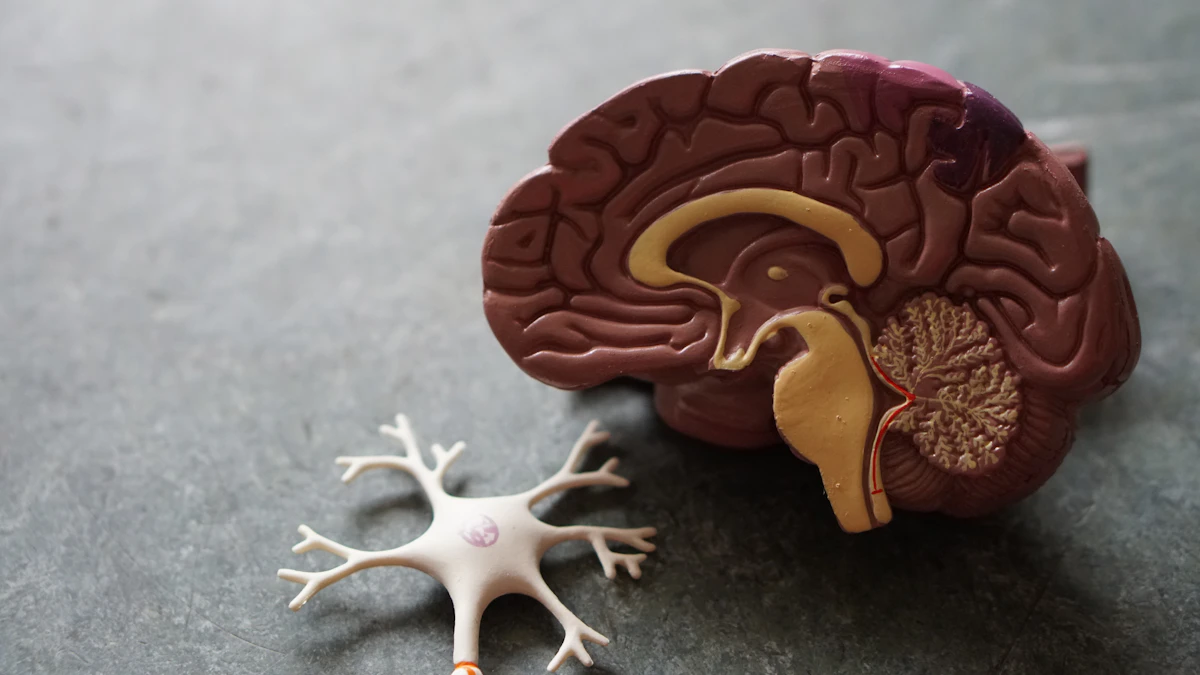
Comprehensive Overview of Attention-Deficit/Hyperactivity Disorder (ADHD)
I. Understanding ADHD: Definition and Core Characteristics
Attention-Deficit/Hyperactivity Disorder (ADHD) is a complex and widely studied neurodevelopmental condition affecting individuals across the lifespan. Its definition, diagnostic criteria, and understanding have evolved significantly over time, reflecting ongoing research into its neurobiological underpinnings and clinical manifestations. Establishing a clear definition based on standardized criteria is fundamental for accurate diagnosis, effective treatment, and continued research.
A. Defining ADHD: Clinical Frameworks (DSM-5, ICD)
The diagnosis of ADHD primarily relies on criteria established in major diagnostic manuals used internationally: the Diagnostic and Statistical Manual of Mental Disorders, Fifth Edition (DSM-5), published by the American Psychiatric Association (APA), and the International Classification of Diseases (ICD), maintained by the World Health Organization (WHO).
DSM-5 Definition: Within the DSM-5, ADHD is categorized under Neurodevelopmental Disorders. This classification underscores the understanding that ADHD originates from differences or delays in brain development. The core definition describes ADHD as a persistent pattern of inattention and/or hyperactivity-impulsivity that significantly interferes with an individual's functioning or development. For a diagnosis to be made, these symptoms must be present in two or more settings (e.g., home, school, work, with friends) to demonstrate pervasiveness. Furthermore, the symptoms must negatively impact social, academic, or occupational functioning directly. The DSM-5 specifies that several inattentive or hyperactive-impulsive symptoms must have been present prior to age 12, representing a change from the DSM-IV's age 7 cutoff, reflecting research indicating symptoms often emerge later but still in childhood. The symptoms must also have persisted for at least the last six months. A crucial update in DSM-5 was the improved characterization of ADHD in adults, acknowledging that the disorder, while beginning in childhood, often continues throughout life, necessitating adapted criteria (e.g., a lower symptom threshold of five symptoms instead of six for adults aged 17 and older).
ICD Framework: The WHO's ICD system provides an alternative, though increasingly aligned, framework. ICD-10 classified the condition under "Hyperkinetic Disorders" (HKD), emphasizing a combination of overactive, poorly modulated behavior and inattention. The ICD-10 description highlighted early onset (usually first five years), lack of persistence in cognitive tasks, disorganized and excessive activity, recklessness, impulsivity, social disinhibition, and frequent cognitive impairment. The more recent ICD-11 has moved closer to the DSM-5 conceptualization, adopting the term ADHD and recognizing presentations beyond the severe, combined type implied by HKD. ICD-11 guidelines, like DSM-5, require symptoms to be persistent (at least 6 months), present before age 12, pervasive across multiple settings (two or more), and cause significant impairment in functioning (social, academic, occupational). While generally aligned, subtle differences exist between ICD-11 and DSM-5-TR, such as the exact number of symptom criteria and the approach to diagnostic thresholds. ICD-11 tends to avoid strict symptom counts, allowing for more clinical judgment based on the presence of "several symptoms" from each cluster causing impairment, whereas DSM-5 provides explicit numerical cutoffs. These diagnostic codes are essential for clinical recording, healthcare administration, and billing.
Neurodevelopmental Context: The classification of ADHD as a neurodevelopmental disorder in both DSM-5 and ICD-11 is significant. It implies that the core features arise from differences or delays in the brain's growth and development processes, which in turn impact personal, social, academic, or occupational functioning. This framework emphasizes a biological basis for the disorder. However, some critiques suggest this perspective may sometimes underemphasize the complex interplay between neurobiology and psychosocial or environmental factors in the manifestation and course of ADHD.
The evolution of diagnostic criteria, seen in the shift from DSM-IV to DSM-5 (changing age of onset, adding adult criteria) and ICD-10 to ICD-11 (adopting ADHD terminology and presentations), reflects a dynamic scientific process. This process aims to refine the definition based on accumulating research, particularly regarding the disorder's persistence into adulthood and its varied presentations. The subtle differences remaining between DSM-5-TR and ICD-11, especially regarding symptom counts and threshold rigidity, highlight a balance between needing standardized criteria for reliability and research, and allowing clinical judgment for individual cases. These evolving definitions and differing international standards can impact reported prevalence rates, diagnostic practices across healthcare systems, and the comparability of research findings.
B. The Symptom Triad: Inattention, Hyperactivity, and Impulsivity
ADHD is fundamentally defined by a triad of core symptom domains: inattention, hyperactivity, and impulsivity. An individual may exhibit symptoms predominantly in one domain or in a combination of domains.
Inattention: This domain encompasses difficulties in sustaining focus, following through on tasks, and organizing activities. Specific manifestations include making careless mistakes in schoolwork or job tasks due to failure to give close attention to details; having trouble holding attention during tasks, lectures, conversations, or lengthy reading; seeming not to listen when spoken to directly, with the mind appearing elsewhere; failing to follow through on instructions, chores, or duties, often starting tasks but losing focus and getting sidetracked; exhibiting difficulty organizing tasks and activities, resulting in messy work, poor time management, and missed deadlines; avoiding, disliking, or being reluctant to engage in tasks requiring sustained mental effort, such as schoolwork, homework, preparing reports, or reviewing lengthy papers; frequently losing items necessary for tasks or daily life, such as school materials, keys, wallets, paperwork, or mobile phones; being easily distracted by extraneous stimuli or unrelated thoughts; and being forgetful in daily activities like chores, running errands, returning calls, paying bills, or keeping appointments. These reflect challenges in various aspects of attention, including sustained attention, selective attention (filtering distractions), and executive functions related to organization and task management.
Hyperactivity: This domain involves excessive motor activity and difficulty with remaining still, particularly in structured situations requiring behavioral self-control. Typical behaviors include often fidgeting with or tapping hands or feet, or squirming in seat; frequently leaving one's seat in situations where remaining seated is expected (e.g., classroom, office, dinner table); running about or climbing in situations where it is inappropriate (in adolescents or adults, this may be limited to subjective feelings of restlessness); being unable to play or engage in leisure activities quietly; being often "on the go," acting as if "driven by a motor," or feeling uncomfortable being still for extended periods; and often talking excessively.
Impulsivity: This involves acting hastily without adequate consideration of potential risks and consequences, often driven by a need for immediate stimuli or gratification. Common impulsive behaviors include often blurting out an answer before a question has been completed, or finishing other people's sentences; having difficulty waiting for one's turn, such as while waiting in line or in conversation; and often interrupting or intruding on others' conversations, games, or activities, or using others' things without permission. In adolescents and adults, impulsivity can manifest as reckless driving, impulsive spending, hasty job changes, or engaging in other risky behaviors without fully considering the outcomes.
It is crucial to recognize that these core symptom domains are interconnected and rarely exist in isolation. Hyperactivity can exacerbate difficulties with sustained attention, while impulsivity can lead to frequent interruptions that derail focus. The diagnostic emphasis, however, lies not merely on the presence of these behaviors but on their persistence over time, their occurrence across multiple settings, their developmental inappropriateness, and crucially, the extent to which they cause significant functional impairment. This impairment is the key differentiator between ADHD and normal variations in activity level or attention span. The consequences of this impairment are wide-ranging, affecting academic achievement, job stability, interpersonal relationships, financial management, and even physical safety.

C. ADHD Presentations and Subtypes
The DSM-5 outlines three distinct presentations of ADHD, based on the predominant symptom pattern over the preceding six months. ICD-10 and ICD-11 also recognize similar subtypes, although terminology and specific criteria may differ slightly.
Three Primary Presentations (DSM-5):
- Predominantly Inattentive Presentation (ADHD-I): This presentation is diagnosed when an individual meets the threshold for inattention symptoms (six or more for those under 17; five or more for ages 17 and older) but does not meet the threshold for hyperactive-impulsive symptoms. Individuals with this presentation often struggle with organization, task completion, sustained focus, and following instructions; they may seem forgetful or easily distracted. This presentation was historically associated with the term "Attention Deficit Disorder" (ADD) before the diagnostic nomenclature standardized around ADHD. Because the symptoms can be less outwardly disruptive than hyperactivity, ADHD-I may be diagnosed later in life, particularly in girls and women who are more likely to present primarily with inattentive features. It accounts for roughly 20-30% of ADHD cases.
- Predominantly Hyperactive-Impulsive Presentation (ADHD-HI): Diagnosis requires meeting the symptom threshold for hyperactivity-impulsivity (six or more for under 17; five or more for 17+) but not for inattention. This presentation is characterized by excessive physical movement (fidgeting, squirming, running, climbing), restlessness, difficulty staying seated, excessive talking, interrupting others, and difficulty waiting turns. It is the most common presentation observed in very young children (under age 5) and accounts for about 15% of cases overall. The overt nature of these symptoms often makes this presentation more easily noticeable.
- Combined Presentation (ADHD-C): This is diagnosed when an individual meets the criteria for both the inattentive and the hyperactive-impulsive presentations (six or more symptoms in each domain for under 17; five or more in each for 17+) over the past six months. This is the most frequently diagnosed presentation, accounting for 50-75% of cases.
Other Specified/Unspecified Categories: Both DSM-5 and ICD include categories for individuals who exhibit clinically significant impairment from characteristic ADHD symptoms but do not fully meet the criteria for any of the three primary presentations. This acknowledges that impairing symptom clusters may exist outside the main defined types.
Severity Specifiers: The DSM-5 allows clinicians to specify the current severity of the disorder as Mild, Moderate, or Severe based on the number of symptoms present beyond the diagnostic threshold and the degree of functional impairment they cause.
It is important to understand that an individual's ADHD presentation is not necessarily fixed throughout their life. Research and clinical observation indicate that the prominence of symptoms can shift over time. Hyperactivity, for instance, often becomes less overt in adolescence and adulthood, transforming into feelings of internal restlessness or fidgetiness. Conversely, inattentive symptoms frequently become more apparent and impairing as academic, occupational, and social demands increase with age. This potential for change underscores the value of longitudinal assessment and considering the individual's current developmental stage and environmental context when evaluating the presentation. The existence of "Other Specified/Unspecified" categories and severity ratings further reflects the clinical reality of ADHD as a spectrum disorder, where impairment can exist even if strict criteria for one of the three main presentations are not perfectly met.
D. Developmental Course: ADHD Across the Lifespan
ADHD is fundamentally a neurodevelopmental disorder with roots in childhood, but its expression and impact evolve significantly across the lifespan.
Childhood Onset: Diagnostic criteria mandate that several ADHD symptoms must be present before the age of 12. Symptoms are often observable much earlier, sometimes as early as age 3. In preschool and early elementary years, hyperactive and impulsive symptoms tend to be the most prominent and noticeable. ADHD is typically first diagnosed during childhood, often when the structured demands of school highlight difficulties with attention, behavior regulation, and task completion. The median age of diagnosis is around 6 years, with more severe cases often identified earlier (median age 4).
Adolescence: During the teenage years, overt physical hyperactivity often diminishes or transforms into subjective feelings of restlessness or fidgetiness. However, symptoms of inattention (difficulty with organization, sustained focus, time management) and impulsivity typically persist. As academic demands increase and social relationships become more complex, these persistent symptoms can lead to significant challenges in school performance, organization, and peer interactions. Adolescents with ADHD are also at a higher risk for engaging in impulsive and risky behaviors, including substance use, reckless driving, and unsafe sexual activity.
Adulthood: Contrary to earlier beliefs, ADHD is now recognized as a condition that frequently persists into and throughout adulthood. While estimates vary depending on the criteria used (full diagnosis vs. symptom persistence vs. impairment), longitudinal studies suggest that a substantial proportion, ranging from 35% to perhaps over 78% depending on definition, continue to experience clinically significant symptoms or impairments. Adult symptoms often manifest differently than in childhood. Hyperactivity may present as internal restlessness, an inability to relax, or being constantly "on the go". Impulsivity can translate into poor financial decisions, impatience, interrupting others, or making hasty choices. Inattention continues to cause difficulties with organization, time management, sustained mental effort, task completion, and forgetfulness. Adults with ADHD may also experience heightened irritability, low frustration tolerance, frequent mood changes, and increased sensitivity to stress. Many adults with ADHD were never diagnosed in childhood, and diagnosis often occurs later in life when persistent difficulties in work, relationships, or managing daily responsibilities prompt evaluation.
Persistence vs. Remission: Longitudinal research, such as the Multimodal Treatment Study of ADHD (MTA), has significantly advanced the understanding of ADHD's long-term course. These studies indicate that ADHD is often a chronic condition. While symptom severity can fluctuate and decrease over time for some individuals, achieving full and sustained remission (complete absence of symptoms and impairment over time) by adulthood appears relatively rare, occurring in only about 9-12% of individuals diagnosed in childhood. A much larger proportion (around 60-65%) experience intermittent periods of remission followed by recurrence of symptoms, indicating a fluctuating course. Even when individuals no longer meet the full DSM symptom count for diagnosis, many continue to experience significant functional impairment or require ongoing treatment (partial remission or persistent impairment). One 7-year follow-up of adults diagnosed with ADHD found that while about 30% no longer met full criteria, only 12.4% achieved full remission (fewer than 4 symptoms).
This body of evidence strongly supports conceptualizing ADHD not merely as a childhood disorder that is typically "outgrown," but as a chronic neurodevelopmental condition with trajectories that extend across the lifespan. The way symptoms manifest evolves with age and context, but for the majority of individuals diagnosed in childhood, the underlying challenges and potential for impairment persist. This highlights the critical need for diagnostic approaches, treatment strategies, and support systems that are adapted to the changing needs of individuals with ADHD as they navigate adolescence and adulthood. The rarity of complete recovery emphasizes the importance of long-term management rather than expecting a cure.
Table 1: DSM-5 Symptom Criteria for ADHD
| Symptom Domain | Criteria (Must exhibit ≥6 for ages <17, ≥5 for ages 17+ for at least 6 months, causing impairment in ≥2 settings) |
|---|---|
| Inattention | a. Often fails to give close attention to details or makes careless mistakes in schoolwork, at work, or during other activities. |
| b. Often has difficulty sustaining attention in tasks or play activities (e.g., lectures, conversations, lengthy reading). | |
| c. Often does not seem to listen when spoken to directly (e.g., mind seems elsewhere). | |
| d. Often does not follow through on instructions and fails to finish schoolwork, chores, or duties in the workplace. | |
| e. Often has difficulty organizing tasks and activities (e.g., managing sequential tasks, keeping materials orderly, poor time management, misses deadlines). | |
| f. Often avoids, dislikes, or is reluctant to engage in tasks that require sustained mental effort (e.g., schoolwork, reports, forms, reviewing lengthy papers). | |
| g. Often loses things necessary for tasks or activities (e.g., school materials, keys, wallet, phone, glasses). | |
| h. Is often easily distracted by extraneous stimuli (for older adolescents/adults, may include unrelated thoughts). | |
| i. Is often forgetful in daily activities (e.g., chores, errands, returning calls, paying bills, keeping appointments). | |
| Hyperactivity & Impulsivity | a. Often fidgets with or taps hands or feet, or squirms in seat. |
| b. Often leaves seat in situations when remaining seated is expected. | |
| c. Often runs about or climbs in situations where it is inappropriate (in adolescents/adults, may be limited to feeling restless). | |
| d. Often unable to play or take part in leisure activities quietly. | |
| e. Is often "on the go" acting as if "driven by a motor" (e.g., unable to be still for extended time). | |
| f. Often talks excessively. | |
| g. Often blurts out an answer before a question has been completed (e.g., finishes people's sentences, cannot wait turn in conversation). | |
| h. Often has trouble waiting their turn (e.g., while waiting in line). | |
| i. Often interrupts or intrudes on others (e.g., butts into conversations, games, or activities; may start using other people's things without permission). |
Source: Adapted from DSM-5 criteria
Table 2: Examples of ADHD Symptom Manifestations Across Settings and Age Groups
| Symptom Type | Setting | Childhood Examples | Adolescence Examples | Adulthood Examples |
|---|---|---|---|---|
| Inattention | School/Work | Makes careless mistakes in schoolwork; doesn't finish assignments; difficulty organizing tasks/desk; loses homework/books; avoids tasks requiring sustained focus (long reading); seems not to listen to teacher. | Difficulty focusing during lectures; misses deadlines; messy/disorganized work; avoids preparing reports/forms; forgets assignments/appointments; careless mistakes on job tasks. | Makes careless mistakes at work; difficulty sustaining focus in meetings/long reading; poor time management/misses deadlines; messy workspace; trouble organizing projects; avoids reports/forms; forgets appointments/returning calls/paying bills. |
| Home/Daily Life | Doesn't follow through on chores; difficulty organizing room/belongings; loses toys/personal items; forgetful in daily activities (chores); seems not to listen when spoken to. | Forgets chores/errands; difficulty managing time for activities; loses keys/phone/wallet; disorganized room/belongings. | Forgets chores/errands/paying bills/returning calls/appointments; loses keys/wallet/phone; difficulty organizing household tasks/belongings; poor time management for daily responsibilities. | |
| Social | Difficulty staying focused during conversations or games; seems not to listen to peers; may lose track of game rules. | Mind seems elsewhere during conversations; forgets plans or details discussed with friends; easily distracted during social activities. | Mind seems elsewhere during conversations; forgets social plans/commitments/birthdays; loses track of conversations; difficulty listening attentively to partner/friends. | |
| Hyperactivity | School/Work | Fidgets/squirms in seat; leaves seat inappropriately; runs/climbs inappropriately; difficulty playing quietly during recess/activities; talks excessively. | Restlessness; difficulty staying seated during class/lectures; unable to engage in quiet leisure activities; talks excessively. | Fidgets/taps hands/feet/squirms in seat; difficulty remaining seated in meetings; feels restless; talks excessively; acts "on the go" or "driven by a motor" internally. |
| Home/Daily Life | Fidgets/squirms at dinner table; leaves seat during meals/quiet time; runs/climbs excessively; unable to play quietly; always "on the go"; talks excessively. | Feels restless; unable to engage in quiet leisure activities; talks excessively; may seem "driven by a motor." | Feels restless; uncomfortable being still (e.g., watching TV, reading); always "on the go"; talks excessively; difficulty relaxing. | |
| Social | Difficulty playing quietly with peers; talks excessively during play; runs around inappropriately during social gatherings. | Talks excessively in social settings; unable to participate quietly in group leisure activities; may seem restless during conversations. | Talks excessively; feels restless during social events; difficulty engaging quietly in shared activities; may seem "driven" to others. | |
| Impulsivity | School/Work | Blurts out answers; difficulty waiting turn; interrupts teacher/peers; acts without thinking (e.g., breaks rules). | Blurts out answers; difficulty waiting turn in discussions; interrupts others; may take over what others are doing; makes hasty decisions affecting work/studies. | Blurts out answers/comments in meetings; difficulty waiting turn; interrupts colleagues/supervisors; intrudes on others' work/tasks; makes impulsive decisions (e.g., quitting job, spending). |
| Home/Daily Life | Difficulty waiting turn for games/activities; interrupts family conversations; uses others' things without asking; may engage in physically risky behavior. | Difficulty waiting turn; interrupts family members; may engage in risky behaviors (e.g., substance use, reckless driving); impulsive spending. | Difficulty waiting turn; interrupts partner/family; impulsive spending/financial decisions; may engage in risky behaviors (driving, substance use); makes hasty decisions about life changes. | |
| Social | Interrupts peers' games/conversations; difficulty waiting turn in games; may say hurtful things without thinking; acts physically impulsive (pushing/hitting). | Interrupts conversations; difficulty waiting turn to speak; may take over activities; impulsive comments or actions that offend others; difficulty resisting temptation in social settings. | Interrupts conversations; finishes others' sentences; difficulty waiting turn to speak; blurts out inappropriate comments; impulsive social decisions; may appear rude or inconsiderate due to lack of filter. |
Note: Examples are illustrative and symptom presentation varies significantly between individuals.
II. The Etiology of ADHD: Exploring Causes and Risk Factors
The precise causes of ADHD remain incompletely understood, but research overwhelmingly points towards a complex interplay of genetic, neurobiological, and environmental factors. It is considered a multifactorial disorder, meaning multiple influences contribute to its development rather than a single cause.
A. Genetic and Hereditary Influences
Genetics play a predominant role in the etiology of ADHD. Family, twin, and adoption studies consistently demonstrate a strong hereditary component, with heritability estimates often cited between 74% and 80%, rivaling that of height. Consequently, having a first-degree relative (parent or sibling) with ADHD significantly increases an individual's risk.
Rather than being caused by a single gene, ADHD is understood to be polygenic. This means that many different genes, each exerting a small individual effect, likely contribute to an individual's susceptibility. Large-scale genome-wide association studies (GWAS) are identifying thousands of common genetic variants potentially associated with ADHD risk. Many of these implicated genes are involved in crucial brain development processes and the regulation of neurotransmitter systems, particularly dopamine and serotonin pathways. For example, a significant international study published in 2023 estimated that around 7,300 genetic variants could contribute to ADHD risk, many of which are common in the general population, suggesting that the number and combination of these variants, along with other factors, influence likelihood.
Candidate gene research has historically focused on specific genes within key neurotransmitter systems. Genes involved in dopamine regulation, such as the dopamine D4 receptor gene (DRD4), the D5 receptor gene (DRD5), and the dopamine transporter gene (SLC6A3 or DAT1), have received considerable attention. The 7-repeat allele of the DRD4 gene, for instance, has been frequently implicated and linked conceptually to traits like novelty-seeking and impulsivity. Genes related to serotonin (e.g., HTR1B) and synaptic function (e.g., SNAP-25) are also considered candidates. However, findings for specific candidate genes have often been inconsistent across studies, and none appear to account for a large proportion of the risk individually.
In addition to common variants, researchers are investigating the role of rare genetic variations, such as copy number variants (CNVs), which involve deletions or duplications of larger segments of DNA. Furthermore, genetic factors likely contribute to the high rates of comorbidity observed with ADHD, as there is evidence of shared genetic influences between ADHD and conditions like learning disabilities, autism spectrum disorder, and substance use disorders.
Despite the compelling evidence for high heritability (70-80%), the fact that identical twins (who share 100% of their genes) do not always both have ADHD, and the lack of identified genes with major effects, indicates that genetics alone do not fully determine the disorder. This suggests that genetic factors create a predisposition or vulnerability, which likely interacts with environmental influences to manifest as ADHD. The approximately 50% gap noted in some research regarding the expected versus observed familial transmission further highlights the complexity beyond simple Mendelian inheritance and points to the importance of non-genetic factors or intricate gene-environment interactions. Consequently, genetic testing is not currently used for diagnosing ADHD.
B. Neurobiological Underpinnings
Converging evidence from neuroimaging, neurochemistry, and neuropsychology points to underlying differences in brain structure, function, and neurochemical signaling in individuals with ADHD.
Brain Structure: Magnetic resonance imaging (MRI) studies, particularly those using volumetric analysis, have revealed subtle but consistent differences in brain structure between groups with and without ADHD, although these are generally not pronounced enough for individual diagnosis. Some of the most frequently reported findings include:
- A slightly smaller total brain volume.
- Reductions in the volume, thickness, or surface area of the frontal lobes, especially the prefrontal cortex. This region is critical for executive functions like planning, inhibition, and working memory.
- Structural alterations in the basal ganglia, including the caudate nucleus, putamen, and nucleus accumbens. These subcortical structures are involved in motor control, reward processing, habit formation, and procedural learning. Findings regarding specific nuclei (e.g., right vs. left caudate) have been somewhat variable.
- Volume differences in limbic system structures like the amygdala (emotion processing) and hippocampus (memory and learning).
- Reduced volume in the cerebellum, which is involved in motor coordination but also contributes to cognitive and emotional regulation.
Some structural differences appear more marked in children than adults, potentially reflecting delays or alterations in typical brain maturation trajectories. Artificial intelligence models applied to brain anatomy data are beginning to identify patterns in cortical thickness and shape in areas like the inferior frontal cortex and sensorimotor cortex.
Brain Function and Connectivity: Functional neuroimaging techniques like functional MRI (fMRI) and positron emission tomography (PET) assess brain activity during rest or specific tasks. These studies suggest altered patterns of brain activation and communication between brain regions in ADHD. Key findings include:
- Hypoactivation (reduced activity) in frontal cortical regions, such as the dorsal anterior midcingulate cortex (daMCC), dorsolateral prefrontal cortex (DLPFC), and ventrolateral prefrontal cortex (VLPFC), during tasks demanding attention, cognitive control, response inhibition, and working memory.
- Atypical functional connectivity, particularly within and between large-scale brain networks. This includes altered communication between the frontal cortex and subcortical structures like the basal ganglia and thalamus, which form critical circuits for regulating attention, behavior, and emotion. A large-scale analysis of over 10,000 brain images recently confirmed atypical interactions, specifically heightened connectivity between deep brain structures involved in learning and reward (caudate, putamen, nucleus accumbens) and frontal regions involved in attention and behavioral control.
- Possible differences in brain networks associated with reward processing and motivation.
- Diffusion tensor imaging (DTI) studies suggest alterations in the structural integrity or organization of white matter tracts, which facilitate communication between brain regions.
Neurotransmitters: Dysregulation within key neurotransmitter systems, especially the catecholamines—dopamine and norepinephrine—is a central hypothesis in ADHD neurobiology, strongly supported by pharmacological evidence.
- Dopamine: The "dopamine hypothesis" posits that ADHD involves reduced dopamine signaling in critical brain circuits, particularly the fronto-striatal pathways. Dopamine is vital for regulating attention, motivation, reward processing, motor control, and executive functions. Some research suggests lower dopamine levels or receptor availability, potentially linked to increased density or activity of the dopamine transporter (DAT), which removes dopamine from the synapse. The effectiveness of stimulant medications, which primarily increase dopamine and norepinephrine availability, provides strong indirect support for this hypothesis.
- Norepinephrine: This neurotransmitter is also crucial for alertness, attention, stress response, and executive functions. Its dysregulation is implicated in ADHD, and it is a target for non-stimulant medications like atomoxetine and viloxazine, as well as alpha-agonists like guanfacine and clonidine. Interactions between the dopamine and norepinephrine systems are likely critical.
- Serotonin: While less central than catecholamines, serotonin may also play a role, particularly in modulating impulsivity, mood, and emotional regulation, aspects often affected in ADHD.
The convergence of findings from structural and functional imaging, along with neurotransmitter research, points away from a single, localized brain defect causing ADHD. Instead, the evidence strongly suggests that ADHD arises from disruptions within distributed brain networks responsible for regulating attention, controlling impulses, managing executive functions, processing rewards, and modulating emotions. Circuits connecting the prefrontal cortex, basal ganglia, and cerebellum appear particularly implicated in these regulatory difficulties. This network perspective helps explain the heterogeneity of ADHD symptoms and its frequent co-occurrence with other disorders involving similar neural systems.
C. Environmental and Prenatal Factors
While genetics form the primary foundation for ADHD risk, various environmental factors, particularly those occurring during prenatal and early postnatal development, have been associated with an increased likelihood of developing the disorder or influencing its severity.
Prenatal Exposures: Several exposures during gestation are linked to higher ADHD risk:
- Substance Use: Maternal smoking and alcohol consumption during pregnancy are consistently identified as risk factors. Prenatal alcohol exposure has been associated with a 1.55-fold increased risk. While an association between maternal smoking and ADHD exists, the evidence for a direct causal link is less definitive than for alcohol. Use of recreational drugs during pregnancy is also a risk factor.
- Environmental Toxins: Exposure to neurotoxins such as lead (found in older paint and pipes) and certain pesticides (e.g., organophosphates) during pregnancy or early childhood is associated with increased ADHD risk. These substances can interfere with critical brain development.
- Maternal Factors: Maternal stress, high levels of inflammation during pregnancy, and maternal mental health conditions (like depression or anxiety) have been linked to a higher likelihood of ADHD in offspring. Some research also suggests a potential association with maternal antidepressant use, particularly during the first trimester.
Perinatal and Birth Factors: Events around the time of birth may also contribute to risk:
- Prematurity and Low Birth Weight: Being born prematurely or with a significantly low birth weight is a recognized risk factor. Babies weighing under 3.3 lbs may have at least double the risk. Even being born slightly early (before 39 weeks, but within term) is associated with higher chances of ADHD symptoms.
- Birth Complications: Complications potentially leading to oxygen deprivation (ischemic-hypoxic conditions) around the time of birth have been linked to later ADHD development. An association with Cesarean delivery has been noted, though the underlying reasons remain unclear.
Postnatal Factors: Factors after birth can also play a role:
- Brain Injury: Traumatic brain injury (TBI) in early childhood is a significant risk factor. Severe TBI can lead to secondary ADHD in a majority of affected children.
- Toxin Exposure: Continued exposure to environmental toxins like lead in early childhood remains a risk.
- Nutrition: While specific dietary components are debated as causes, overall nutrition is considered important for brain development and function, and thus potentially relevant to ADHD risk or symptom management.
It is important to contextualize these environmental factors. None are considered the primary cause of ADHD in the same way that genetics are implicated. Instead, they likely function as risk modifiers or contributing factors. They may interact with an underlying genetic vulnerability, increasing the probability of the disorder manifesting, or they might contribute to the severity of symptoms, particularly in individuals who may not have a strong family history. The consistent emphasis on ADHD being multifactorial underscores that it typically arises from a combination of genetic susceptibility and environmental influences.
D. Psychosocial Factors and Common Misconceptions
While neurobiological factors form the core basis of ADHD, psychosocial elements significantly influence how the disorder manifests, its severity, the development of secondary problems, and overall life course outcomes.
Psychosocial Influences: Adverse psychosocial circumstances are correlated with ADHD symptoms and related impairments, although they are not considered primary causes. Factors such as poverty and socioeconomic hardship, childhood trauma, abuse, or neglect (Adverse Childhood Experiences, ACEs), family conflict, low family cohesion, or parental mental health problems can create environments where ADHD symptoms may be more pronounced or impairing. Lack of social support and experiencing social stigma related to ADHD behaviors can also negatively impact well-being and functioning. These factors can exacerbate existing difficulties or contribute to the development of co-occurring conditions like anxiety, depression, or oppositional defiant disorder.
Parenting and Family Interaction: The role of parenting in ADHD is often misunderstood. While research indicates that early family interaction patterns or parenting styles are unlikely to cause ADHD, they can significantly influence the disorder's course and the emergence of secondary behavioral problems. For example, harsh, inconsistent, or overly intrusive parenting has shown associations with ADHD symptoms and related difficulties. Conversely, structured, supportive parenting approaches involving positive reinforcement and clear boundaries are key components of effective ADHD management. The stress of coping with a child's challenging behaviors can also negatively affect parental well-being, potentially creating difficult family dynamics.
Debunked Myths and Unsupported Causes: Several popular theories about the causes of ADHD lack robust scientific support. Research does not substantiate the view that ADHD is primarily caused by factors such as excessive sugar consumption, watching too much television or playing video games, poor parental discipline, or general family chaos. While these factors might worsen symptoms or make management more difficult for some individuals (e.g., high sugar intake causing energy fluctuations, lack of structure exacerbating organizational difficulties), they are not considered the root cause of the neurodevelopmental differences underlying ADHD. Similarly, while food sensitivities or reactions to artificial additives (like colorings or preservatives) may affect a small minority of children with ADHD, elimination diets are not a proven general treatment and should be approached cautiously under medical guidance due to risks of nutritional deficiencies.
Social Context and Symptom Expression: The expression of ADHD symptoms is highly sensitive to context. Symptoms may appear minimal or even absent in situations that provide high levels of structure, novelty, interest, or immediate reinforcement. For example, a child might focus intently on a preferred activity like video games but struggle significantly with homework. Similarly, close supervision or frequent rewards for appropriate behavior can temporarily reduce observable symptoms. This variability does not negate the presence of ADHD but highlights the crucial interaction between the individual's internal neurobiological state and the demands and supports present in their environment.
Therefore, a comprehensive understanding of ADHD requires moving beyond a purely biological or purely environmental explanation. The evidence points towards a biopsychosocial model where inherent neurodevelopmental vulnerabilities (strongly influenced by genetics) interact with a range of environmental and psychosocial factors throughout development. These interactions shape the specific manifestation of symptoms, the degree of functional impairment, the development of coping strategies, and the likelihood of secondary mental health issues. Recognizing this interplay is critical for effective diagnosis, management, and reducing the stigma often associated with the condition.
III. Diagnosis and Assessment of ADHD
The diagnosis of ADHD is a clinical process based on established criteria, requiring a comprehensive evaluation by a qualified healthcare professional. Unlike many medical conditions, there is no single biological marker, such as a blood test or brain scan, that can definitively diagnose ADHD. Instead, diagnosis relies on gathering and synthesizing information from multiple sources to determine if an individual meets the specific behavioral criteria outlined in diagnostic manuals like the DSM-5 or ICD-11.
A. The Diagnostic Pathway: Evaluation Process
Obtaining an ADHD diagnosis involves a structured, multi-step evaluation. The process typically begins when concerns about attention, hyperactivity, impulsivity, or related academic/behavioral problems are raised, either by the individual, parents, teachers, or other observers. For adults, evaluation is often sought due to persistent difficulties impacting work, relationships, or daily functioning.
A cornerstone of the evaluation is a comprehensive assessment that goes beyond just current symptoms. This involves gathering a detailed history, including:
- Developmental History: Milestones, early temperament, onset and course of ADHD symptoms.
- Medical History: Past and current health conditions, medications, previous treatments for ADHD or other issues.
- Psychiatric History: Screening for co-occurring mental health conditions (comorbidities).
- Family History: Presence of ADHD or other mental health conditions in relatives.
- Educational/Occupational History: Academic progress, learning difficulties, work performance, job history, areas of success and challenge.
- Social History: Family relationships, peer interactions, social skills, family stressors, support systems.
Crucially, the assessment utilizes a multi-informant approach. Information is gathered not only from the individual being assessed but also from parents/guardians (for children and often for adults recalling childhood symptoms), teachers (for children/adolescents), and potentially spouses/partners (for adults). This triangulation of perspectives helps establish the pervasiveness of symptoms across different settings (e.g., home, school, work) and provides corroborating evidence, particularly for childhood symptoms when assessing adults.
The evaluation process must also include steps to rule out other conditions that could mimic ADHD symptoms or might be co-occurring. This typically involves a basic medical examination, including hearing and vision screening, to exclude sensory impairments or other medical problems that could affect attention or behavior. Screening for common comorbidities like anxiety, depression, learning disabilities, conduct disorders, and sleep disorders is also a standard part of the evaluation.
In recent years, telehealth has emerged as a tool in the diagnostic pathway, particularly following expansions during the COVID-19 pandemic. While in-person assessment remains common, telehealth platforms can facilitate interviews and rating scale administration, potentially increasing access to evaluation, although comprehensive assessment often still requires integrating information gathered through various means.
B. Applying Diagnostic Criteria (DSM-5)
Clinicians rely heavily on the criteria outlined in the DSM-5 (or ICD-11, depending on the region and system) to ensure a standardized and reliable diagnosis. Meeting the diagnostic threshold requires satisfying several specific conditions:
- Symptom Count: The individual must exhibit a minimum number of symptoms from the inattention and/or hyperactivity-impulsivity clusters. For children and adolescents up to age 16, at least six symptoms are required in one or both categories. For adolescents aged 17 and older and adults, the threshold is lowered to five symptoms.
- Persistence: These symptoms must have been present and problematic for at least six consecutive months.
- Early Onset: Several of the characteristic symptoms must have been present before the age of 12 years. This criterion establishes ADHD as a neurodevelopmental disorder originating in childhood, even if diagnosis occurs later.
- Pervasiveness: The symptoms must be evident and cause impairment in two or more settings (e.g., home and school; work and social life). Symptoms solely present in one environment (e.g., only at school) might suggest other causes.
- Functional Impairment: There must be clear evidence that the symptoms significantly interfere with, or reduce the quality of, social, academic, or occupational functioning. This is a critical component distinguishing ADHD from typical behavior. Examples include academic underachievement, job loss, relationship conflict, or difficulty managing daily responsibilities.
- Exclusion Criteria: The symptoms must not be better accounted for by another mental disorder (such as a mood disorder like depression or bipolar disorder, an anxiety disorder, a dissociative disorder, a personality disorder, or substance intoxication/withdrawal). Additionally, the symptoms should not occur exclusively during the course of schizophrenia or another psychotic disorder.

C. Key Assessment Methods
Clinicians utilize a combination of methods to gather the information needed to evaluate against the diagnostic criteria.
- Clinical Interview: This is the most fundamental assessment tool. It involves a detailed discussion with the individual (and/or parents/informants) covering the specific nature, frequency, onset, duration, and impact of current and past ADHD symptoms across various life domains (school, work, home, social). The interview also explores developmental, medical, psychiatric, and family history to identify potential contributing factors, comorbidities, and alternative explanations. Structured or semi-structured interviews like the Diagnostic Interview for ADHD in Adults (DIVA-5), Conners' Adult ADHD Diagnostic Interview (CAADID), or the Adult ADHD Clinical Diagnostic Scale (ACDS) can provide a systematic way to cover all criteria. While essential, interviews alone can be limited by the informant's recall accuracy, self-awareness, or potential biases, making corroboration with other data sources vital.
- Behavior Rating Scales and Checklists: These standardized questionnaires are widely used to systematically gather quantitative data on symptom frequency and severity from multiple perspectives. Common examples include the Conners' Rating Scales (Parent, Teacher, Adult Self-Report), Vanderbilt ADHD Diagnostic Rating Scales (Parent, Teacher), ADHD Rating Scale-IV or -5 (Parent, Teacher, Adult), Adult ADHD Self-Report Scale (ASRS), Brown Attention/Executive Function Scales, Behavior Assessment System for Children (BASC-3), Child Behavior Checklist (CBCL), and Behavior Rating Inventory of Executive Function (BRIEF-2). These scales help assess symptoms across different settings (home, school, work) and compare the individual's behavior to age- and gender-based norms. While valuable for structured data collection, they rely on subjective reports and should be interpreted in conjunction with other clinical information. Teacher ratings, for example, show good agreement with clinical interviews but may correlate less strongly with objective classroom observations, especially for inattention.
- Direct Observation: Directly observing the individual, particularly children, in relevant settings like the classroom or during specific tasks, can provide objective behavioral information. This allows the clinician to see firsthand how symptoms manifest in a naturalistic context. However, the utility can be limited, as ADHD symptoms may not be consistently present, especially during brief observations, in novel situations, or when the individual is engaged in highly interesting activities. Observations may offer unique insights, particularly regarding inattentive behaviors, that are not fully captured by rating scales.
- Psychological/Neuropsychological Testing: These tests assess cognitive functions (like IQ, working memory, processing speed, executive functions such as planning, inhibition, and cognitive flexibility) and academic achievement. Common instruments include Wechsler intelligence scales, tests of memory and learning, and specific executive function measures like the Wisconsin Card Sorting Test (WCST) or Rey-Osterrieth Complex Figure (ROCF). Continuous Performance Tests (CPTs), such as the Test of Variables of Attention (TOVA), Conners' CPT, Integrated Visual and Auditory CPT (IVA-2), or the Quantified Behavior Test (QbTest), are designed to measure sustained attention and impulsivity. While such testing can be valuable for identifying co-occurring learning disabilities, clarifying cognitive strengths and weaknesses, or assisting with treatment planning, it is generally not considered necessary or sufficient for diagnosing ADHD itself. Cognitive test batteries often lack the required sensitivity (correctly identifying those with ADHD) and specificity (correctly identifying those without ADHD) for reliable diagnosis on their own, though they can improve diagnostic specificity when used alongside rating scales. The FDA has approved one EEG-based device (NEBA System) as an adjunct assessment aid for children aged 6-17, based on theta/beta brainwave ratios, but it is meant to supplement, not replace, a full clinical evaluation.
- Review of Records: Examining past school reports, standardized test scores, disciplinary records, previous evaluations, and medical records can provide crucial longitudinal information about symptom onset, persistence, and impairment across different life stages.
Ultimately, an accurate ADHD diagnosis emerges from the clinician's synthesis of all gathered information – interviews, rating scales, behavioral observations, historical records, and potentially psychological testing – interpreted through the lens of established diagnostic criteria. The focus is on identifying a persistent, pervasive pattern of developmentally inappropriate inattention and/or hyperactivity-impulsivity that causes significant functional impairment, after ruling out alternative explanations. No single piece of data determines the diagnosis; rather, it is the convergence of evidence from multiple sources and methods that leads to diagnostic confidence.
Table 3: Common ADHD Rating Scales for Children and Adults
| Scale Name | Target Age Group | Typical Informant(s) | Primary Focus |
|---|---|---|---|
| Child/Adolescent Scales | |||
| Vanderbilt ADHD Diagnostic Rating Scale (VADPRS/VADTRS) | Child/Adolescent | Parent, Teacher | Core ADHD symptoms, ODD, CD, Anxiety/Depression, Performance/Functioning |
| Conners' Rating Scales (e.g., Conners 3, CRS-R) | Child/Adolescent | Parent, Teacher, Self (adolescent) | Core ADHD symptoms, Learning Problems, Executive Functioning, Aggression, Peer Relations |
| ADHD Rating Scale-IV or 5 (ADHD-RS-IV/5) | Child/Adolescent (Preschool versions available) | Parent, Teacher | Core DSM ADHD symptoms (Inattention, Hyperactivity/Impulsivity) |
| Child Behavior Checklist (CBCL) / Achenbach System of Empirically Based Assessment (ASEBA) | Child/Adolescent | Parent, Teacher, Self (youth) | Broadband behavioral/emotional problems (including Attention Problems, Aggression, Anxiety, Depression) |
| Behavior Assessment System for Children (BASC-3) | Child/Adolescent | Parent, Teacher, Self | Broadband behavioral/emotional problems (including Hyperactivity, Attention Problems, Conduct, Anxiety, Depression, Adaptive Skills) |
| Swanson, Nolan, and Pelham (SNAP) Scale | Child/Adolescent | Parent, Teacher | Core DSM ADHD symptoms, ODD symptoms |
| Behavior Rating Inventory of Executive Function (BRIEF-2) | Child/Adolescent | Parent, Teacher, Self | Executive functions (Inhibit, Shift, Emotional Control, Initiate, Working Memory, Plan/Organize, Monitor) |
| Adult Scales | |||
| Conners' Adult ADHD Rating Scales (CAARS) | Adult | Self, Observer (e.g., partner, parent) | Core DSM ADHD symptoms, associated features (e.g., emotional lability, self-concept) |
| Adult ADHD Self-Report Scale (ASRS) v1.1 (including Screener) | Adult | Self | Core DSM ADHD symptoms (screening and symptom tracking) |
| Brown Attention-Deficit Disorder Symptom Assessment Scale (BADDS) / Brown Executive Function/Attention Scales | Adult (also child/adolescent versions) | Self, Observer | Executive functions related to ADHD (Activation, Focus, Effort, Emotion, Memory) |
| Wender Utah Rating Scale (WURS) | Adult | Self | Retrospective assessment of childhood ADHD symptoms |
| Barkley Adult ADHD Rating Scale-IV (BAARS-IV) | Adult | Self, Observer | Current ADHD symptoms based on DSM criteria, Sluggish Cognitive Tempo |
| Barkley Functional Impairment Scale (BFIS) | Adult | Self, Observer | Impairment across various life domains (e.g., work, home, social, finances) |
| Weiss Functional Impairment Rating Scale (WFIRS) | Adult | Self, Observer | Impairment across multiple life domains (family, work, school, life skills, self-concept, social, risk) |
| Adult ADHD Quality of Life Scale (AAQoL) | Adult | Self | Quality of life related to ADHD impact (life productivity, psychological health, relationships) |
Note: This list is not exhaustive and availability/use may vary. Informants listed are typical but may differ based on clinical context.
D. Differential Diagnosis: Distinguishing ADHD from Look-Alike Conditions
A critical aspect of the ADHD diagnostic process is differential diagnosis – carefully considering and ruling out other conditions that can present with similar symptoms. Many psychiatric, developmental, and medical conditions share features like inattention, restlessness, impulsivity, or organizational difficulties. An accurate diagnosis is essential because treatment approaches differ significantly depending on the underlying condition. DSM criteria explicitly state that ADHD symptoms should not be better explained by another mental disorder.
Common Differential Considerations:
- Anxiety Disorders: Generalized Anxiety Disorder (GAD), social anxiety, panic disorder, etc., can cause restlessness, difficulty concentrating, irritability, and sleep problems, overlapping with ADHD symptoms. However, the source of the difficulty often differs. In anxiety, poor concentration typically stems from intrusive worries, fears, or physiological arousal related to specific situations or pervasive worry. In ADHD, concentration difficulties are more often related to underlying distractibility, difficulty sustaining mental effort, or poor executive control, and can occur even when the individual feels calm. While individuals with ADHD may experience anxiety, it is often secondary to the functional impairments caused by ADHD (e.g., anxiety about deadlines due to procrastination). Primary anxiety disorders involve excessive fear and worry as the core feature.
- Mood Disorders (Depression and Bipolar Disorder):
- Depression: Can present with poor concentration, low energy/fatigue, psychomotor agitation or retardation, irritability, and sleep/appetite changes, mirroring some ADHD features. Key differentiators include the nature and duration of mood changes. Depressive episodes involve a pervasive low mood, loss of interest (anhedonia), or hopelessness lasting at least two weeks, often without a clear external trigger. In contrast, mood shifts in ADHD are typically more transient, reactive to specific frustrations or setbacks, and less pervasive. Motivational difficulties in depression often manifest as lethargy and inability to initiate any activity, whereas in ADHD, motivation is often interest-driven, with individuals struggling with non-preferred tasks but potentially hyperfocusing on engaging ones. Low self-esteem and feelings of inadequacy can occur in both, but in ADHD, they often stem directly from chronic struggles with symptoms and resulting failures.
- Bipolar Disorder: This presents a significant diagnostic challenge due to symptom overlap, particularly during manic or hypomanic phases, which can include increased energy, decreased need for sleep, racing thoughts, distractibility, impulsivity, pressured speech/talkativeness, irritability, and risky behavior. The critical distinction lies in the pattern of symptoms. Bipolar disorder is fundamentally episodic, characterized by distinct periods of elevated mood (mania/hypomania) and depression, often lasting days, weeks, or months, interspersed with periods of relatively normal mood. ADHD symptoms, conversely, are chronic and pervasive, representing the individual's baseline functioning from childhood onward. While both involve emotional dysregulation, the mood shifts in bipolar disorder are typically more extreme, sustained, and less tied to immediate environmental triggers compared to the often reactive and shorter-lived mood fluctuations seen in ADHD. Bipolar disorder also typically has a later onset (late adolescence or early adulthood) compared to ADHD. Misdiagnosis is frequent, and co-occurrence is significant (up to 20-25% of adults with one may have the other).
- Sleep Disorders: Insufficient or disrupted sleep can significantly impair attention, concentration, memory, mood regulation, and impulse control, producing a clinical picture that closely resembles ADHD. Primary sleep disorders like obstructive sleep apnea (OSA), restless legs syndrome (RLS), periodic limb movement disorder (PLMD), and circadian rhythm disorders (especially delayed sleep-wake phase disorder, DSWPD) must be considered and ruled out. These conditions are also highly comorbid with ADHD. A thorough sleep history, and potentially a sleep study (polysomnography), may be necessary if sleep problems are suspected as the primary cause of daytime symptoms. Treating an underlying sleep disorder can sometimes resolve ADHD-like symptoms.
- Learning Disabilities (LDs): Children and adults with specific learning disabilities (SLDs) such as dyslexia (reading), dysgraphia (writing), or dyscalculia (math) often experience academic frustration, difficulty completing tasks, and may avoid challenging schoolwork, which can be mistaken for ADHD-related inattention or lack of motivation. The key difference is specificity: LDs involve a core deficit in acquiring or using a specific academic skill despite adequate intelligence and opportunity, whereas ADHD involves broader difficulties with attention, executive function, and behavioral regulation that impact learning across various domains. An individual with dyslexia struggles with the process of reading itself, while someone with ADHD might struggle to sustain focus during reading, even if their decoding skills are intact. Comorbidity is very high, with estimates suggesting 30-50% of individuals with ADHD also have an LD. Psychoeducational testing is often needed to diagnose LDs.
- Autism Spectrum Disorder (ASD): Since the DSM-5 revision allowed for co-diagnosis, the overlap between ADHD and ASD has received increased attention. Both can involve difficulties with social interaction, attention regulation, and sensory sensitivities. However, the underlying reasons for these behaviors differ. Core ASD features include persistent deficits in social communication and social interaction (e.g., difficulty with nonverbal cues, social-emotional reciprocity, developing relationships) and restricted, repetitive patterns of behavior, interests, or activities. In contrast, ADHD's core features are inattention, hyperactivity, and impulsivity. Attentional differences also exist: individuals with ASD may exhibit intense, narrow focus on specific interests (sometimes termed hyperfocus) and struggle to shift attention, while ADHD is more characterized by distractibility and difficulty sustaining attention on non-preferred tasks. Social difficulties in ASD often stem from challenges in inherently understanding social rules and perspectives, whereas in ADHD, they frequently arise from impulsive interruptions, inattentive listening, or missing social cues due to distraction. Comorbidity is common, with estimates varying widely but often cited as 30-70% of individuals with ASD also meeting criteria for ADHD.
- Other Behavioral Disorders (ODD/CD): Oppositional Defiant Disorder (ODD) and Conduct Disorder (CD) involve patterns of disruptive and rule-violating behavior that can overlap with ADHD's impulsivity and hyperactivity. ODD is characterized by a pattern of angry/irritable mood, argumentative/defiant behavior, and vindictiveness towards authority figures. CD involves more severe behaviors that violate the rights of others or major societal norms, such as aggression towards people or animals, destruction of property, deceitfulness, or serious rule violations (e.g., truancy, running away). While ADHD impulsivity can lead to breaking rules or acting out, the defiance in ODD and the antisocial behaviors in CD are typically more intentional and pervasive than the reactive or thoughtless actions often seen in ADHD alone. Comorbidity rates are high, particularly between ADHD and ODD (up to 40-60%).
- Medical Conditions: A range of medical issues can produce symptoms resembling ADHD and must be excluded through appropriate medical workup. These include thyroid dysfunction (both hypothyroidism and hyperthyroidism can affect concentration, energy levels, and mood), seizure disorders (particularly absence seizures, which can mimic inattentive staring spells), hearing or vision impairments (leading to apparent inattention or difficulty following instructions), lead toxicity, consequences of brain injury, Fetal Alcohol Spectrum Disorder (FASD), certain genetic syndromes (e.g., Fragile X), hypoglycemia (low blood sugar), anemia, and allergies.
The process of differential diagnosis requires careful clinical judgment, focusing not just on the presence of overlapping symptoms but on their specific characteristics: the underlying reason for the behavior (e.g., is the inattention due to internal distractibility, overwhelming worry, lack of understanding, or sensory overload?), the pattern over time (chronic and pervasive from childhood vs. episodic or situation-specific), the age of onset, the individual's developmental history, and how symptoms respond to different contexts or triggers. The extremely high rates of comorbidity mean that often, an individual may genuinely have ADHD and another condition, necessitating a diagnostic approach that identifies all relevant disorders to inform a comprehensive treatment plan.
E. Identifying Qualified Diagnosticians
Securing an accurate ADHD diagnosis requires an evaluation by a healthcare professional with the appropriate qualifications, training, and experience. Several types of professionals may be involved in the diagnostic process:
- Medical Doctors (MD/DO):
- Psychiatrists: Medical doctors specializing in mental health, diagnosis, and treatment (including medication management). They are often well-equipped to handle complex cases involving comorbidities.
- Pediatricians: Often the first point of contact for children. They can conduct initial screenings and diagnose ADHD, particularly in less complex cases, or refer to specialists. Developmental pediatricians have specialized training in neurodevelopmental disorders.
- Neurologists: Specialists in brain and nervous system disorders. They can help rule out neurological conditions that might mimic ADHD and may diagnose ADHD, though treatment often involves collaboration with mental health professionals.
- Family Physicians / Primary Care Providers (PCPs): Can diagnose and treat ADHD, especially in adults, but may refer to specialists for complex cases or if they lack extensive experience with ADHD.
- Psychologists (Ph.D./Psy.D.):
- Clinical Psychologists: Trained in psychological assessment, diagnosis, and therapy. They can diagnose ADHD and provide behavioral treatments but cannot prescribe medication.
- Neuropsychologists: Psychologists specializing in brain-behavior relationships. They conduct detailed cognitive and neuropsychological testing, which can be helpful in understanding cognitive profiles and ruling out other conditions, although testing alone doesn't diagnose ADHD.
- Other Licensed Professionals:
- Nurse Practitioners (NPs): Particularly Psychiatric NPs, can diagnose ADHD and prescribe medication, often working independently or in collaboration with physicians.
- Physician Assistants (PAs): Can diagnose and prescribe medication under the supervision of a physician.
- Licensed Clinical Social Workers (LCSWs), Licensed Professional Counselors (LPCs), Licensed Marriage and Family Therapists (LMFTs): Depending on state regulations and their specific training/experience, some licensed therapists may be qualified to diagnose ADHD and provide therapy, but they cannot prescribe medication. They often refer to medical professionals if medication is considered.
School Professionals: School psychologists and special education professionals play a vital role in identifying students struggling in the school environment and conducting assessments related to educational needs (e.g., for an IEP or 504 plan). However, they typically do not provide a formal medical or psychiatric diagnosis of ADHD.
The most critical factor is not necessarily the specific professional title, but the clinician's expertise and experience in diagnosing and treating ADHD, particularly in the relevant age group (child vs. adult) and in managing potential comorbidities. A thorough evaluation requires time and familiarity with the nuances of ADHD presentation and differential diagnosis. Patients or parents seeking an evaluation should feel comfortable asking about a provider's experience with ADHD. Often, the diagnostic process starts with a PCP or pediatrician, who can provide initial assessment and guidance or refer to a specialist (like a psychiatrist or psychologist) for a more comprehensive evaluation if needed.
IV. Treatment and Management Strategies
Managing ADHD effectively typically involves a multimodal approach, combining various strategies tailored to the individual's age, symptom severity, co-occurring conditions, and specific needs. While there is no cure for ADHD, available treatments can significantly reduce symptoms, improve functioning, and enhance quality of life. Treatment recommendations often vary by age group, with behavioral approaches emphasized first for younger children, and medication becoming a more central component for older children, adolescents, and adults, usually in combination with behavioral therapies and other supports.
A. Pharmacological Interventions
Medication is a cornerstone of ADHD treatment for many individuals, particularly those aged 6 and older, and is often considered the most effective single intervention for reducing core symptoms of inattention, hyperactivity, and impulsivity. ADHD medications primarily work by modulating the activity of key neurotransmitters in the brain, namely dopamine and norepinephrine, which are involved in attention, executive function, and impulse control. There are two main classes of FDA-approved medications for ADHD: stimulants and non-stimulants.
Stimulant Medications:
- Types: Stimulants are the most commonly prescribed and generally most effective class of ADHD medication. They fall into two main chemical groups:
- Methylphenidate-based: Examples include Ritalin, Concerta, Metadate, Daytrana (patch), Quillivant XR (liquid), Quillichew ER (chewable), Focalin (dexmethylphenidate), Adhansia XR, Aptensio XR, Cotempla XR-ODT (orally disintegrating tablet), Jornay PM (delayed/extended release). Methylphenidate works primarily by increasing dopamine levels.
- Amphetamine-based: Examples include Adderall (mixed amphetamine salts), Adderall XR, Vyvanse (lisdexamfetamine), Dexedrine/Zenzedi (dextroamphetamine), Procentra (liquid dextroamphetamine), Mydayis, Adzenys XR-ODT, Xelstrym (patch). Amphetamines increase both dopamine and norepinephrine levels.
- Efficacy: Stimulants have demonstrated high efficacy in reducing core ADHD symptoms across the lifespan. They can improve attention span, reduce hyperactivity and impulsivity, and enhance executive functions. Some evidence suggests amphetamines might be slightly more effective in adults, while methylphenidate is often the first choice for children.
- Formulations: Stimulants are available in various formulations affecting their duration of action:
- Immediate-Release (IR) / Short-Acting: Typically last 3-6 hours and require multiple doses per day (e.g., 2-3 times). Effects can wear off between doses, sometimes leading to a "rebound" effect (temporary worsening of symptoms or mood) as the medication level drops.
- Extended-Release (ER/XR/LA) / Long-Acting: Designed for once-daily dosing (usually morning), providing symptom coverage for 8-16 hours, depending on the specific product. These formulations often provide smoother symptom control throughout the day, reduce the need for midday dosing (e.g., at school or work), and may have a lower potential for misuse compared to IR forms. Various technologies are used, including osmotic release (Concerta), beaded capsules (Adderall XR, Ritalin LA), patches (Daytrana, Xelstrym), liquids (Quillivant XR), chewable tablets (Quillichew ER), orally disintegrating tablets (Adzenys XR-ODT, Cotempla XR-ODT), and prodrugs (Vyvanse). Jornay PM is unique, taken at night for morning effect.
- Side Effects: Common side effects are often mild and transient, potentially managed by dose adjustment or timing changes. These include:
- Decreased appetite and potential weight loss (very common, affects ~80%).
- Difficulty sleeping (insomnia), especially if taken too late in the day.
- Headaches.
- Stomach upset (nausea).
- Dry mouth.
- Nervousness or anxiety.
- Irritability or mood changes, sometimes manifesting as a "rebound" effect when medication wears off.
- Less common but potential side effects include tics (medication may unmask or worsen existing tics, but doesn't cause them), minor growth delay in children (generally not affecting final adult height), slight increases in heart rate and blood pressure (usually not dangerous, but caution needed with pre-existing heart conditions), and rare psychiatric effects like mood swings or psychosis. Skin discoloration (chemical leukoderma) is a risk with the methylphenidate patch.
- Safety and Monitoring: Stimulants are Schedule II controlled substances due to potential for misuse, abuse, and dependence. However, when used as prescribed under medical supervision, they are considered safe and effective. Pre-treatment screening for heart conditions is often recommended. Careful dose titration (adjusting the dose gradually) is necessary to find the optimal balance between benefits and side effects. Long-term studies generally support the safety of stimulant use, though ongoing monitoring is important. Importantly, research indicates that treating ADHD with stimulants does not increase the risk of later substance use disorders and may actually have a protective effect, particularly during adolescence. Untreated ADHD itself is a significant risk factor for SUDs.
Non-Stimulant Medications:
- Role: Used when stimulants are ineffective, cause intolerable side effects, or are contraindicated (e.g., due to certain co-occurring conditions like severe anxiety or tics, or history of substance abuse). They can also be used in combination with stimulants, sometimes to provide smoother coverage or target specific symptoms like sleep issues or aggression. They are not controlled substances.
- Types and Efficacy: Generally less potent than stimulants for core ADHD symptoms but offer advantages like 24-hour coverage and no abuse potential. They often take longer (several weeks) to reach full effect compared to the immediate action of stimulants.
- Atomoxetine (Strattera): A selective norepinephrine reuptake inhibitor (SNRI). The first non-stimulant FDA-approved for ADHD. Provides 24-hour coverage and may also help with co-occurring anxiety or tics. Takes 4-6 weeks for full effect. Common side effects include nausea, fatigue, decreased appetite, sleep problems, dry mouth, dizziness, mood swings. Carries warnings regarding rare risks of liver toxicity and suicidal thoughts (especially early in treatment in children/adolescents).
- Viloxazine (Qelbree): Another SNRI, approved more recently. Also provides extended coverage. May start working slightly faster than atomoxetine. Common side effects include drowsiness, fatigue, decreased appetite, nausea, insomnia, irritability. Also carries a warning regarding potential for suicidal thoughts/behavior and can increase blood pressure/heart rate.
- Alpha-2 Adrenergic Agonists: Guanfacine (Intuniv - extended release, Tenex - immediate release) and Clonidine (Kapvay - extended release, Catapres - immediate release). Originally developed as blood pressure medications. Thought to work by affecting norepinephrine pathways in the prefrontal cortex. Particularly helpful for hyperactivity, impulsivity, and sometimes aggression or tics. Often used as adjuncts to stimulants. Common side effects include sedation/drowsiness/fatigue, dizziness, dry mouth, constipation, headache, and potential for lowering blood pressure and heart rate. Must be tapered off gradually to avoid rebound hypertension.
- Other Medications (Off-Label Use): Certain antidepressants are sometimes used off-label for ADHD, particularly when co-occurring depression or anxiety is present, though they are generally less effective for core ADHD symptoms than approved medications. Examples include:
- Bupropion (Wellbutrin): An NDRI (norepinephrine-dopamine reuptake inhibitor).
- Tricyclic Antidepressants (TCAs): Such as desipramine (Norpramin), imipramine (Tofranil), nortriptyline (Pamelor). Can be effective but often have more side effects (dry mouth, constipation, potential cardiac effects).
- Venlafaxine (Effexor): An SNRI sometimes used off-label.
- Modafinil (Provigil): A wakefulness-promoting agent sometimes considered, though evidence is limited.
Treatment Considerations:
- Titration and Monitoring: Finding the right medication and dose requires careful titration and monitoring by a healthcare provider to maximize benefits and minimize side effects. What works best varies significantly between individuals.
- Age Considerations: Behavioral therapy is recommended as the first-line treatment for preschool children (ages 4-5) before medication is tried, due to less research on long-term effects and potentially greater side effect sensitivity in this age group. For ages 6 and older, medication (often combined with therapy) is recommended.
- Combination Therapy: Combining medication with behavioral therapies is often considered the most effective approach, especially for school-aged children and adolescents, addressing both core symptoms and associated behavioral/functional challenges. However, some recent reviews note limited evidence that adding youth-directed psychosocial interventions systematically improves outcomes over medication monotherapy, though few combinations have been rigorously evaluated.
B. Psychotherapy and Behavioral Interventions
While medication primarily targets core ADHD symptoms, behavioral interventions are crucial for teaching skills and strategies to manage behavior, improve functioning, and address associated challenges like disorganization, emotional dysregulation, and social difficulties. These approaches focus on modifying behavior through reinforcement, skill-building, and environmental structuring.
- Behavior Therapy / Behavior Management: This is a broad category encompassing techniques aimed at increasing positive behaviors and decreasing negative or disruptive ones. Key principles include:
- Positive Reinforcement: Using praise, rewards, token economies, or incentive charts to encourage desired behaviors (e.g., completing tasks, following rules, using appropriate social skills).
- Clear Expectations and Instructions: Providing clear, specific, and concise directions; breaking down tasks into smaller steps.
- Structure and Routine: Establishing consistent daily schedules and routines for activities like homework, chores, and bedtime.
- Effective Consequences: Using consistent, predictable consequences for inappropriate behavior, such as time-outs or removal of privileges, rather than harsh punishment.
- Parent Training in Behavior Management (PTBM): This is a highly recommended, evidence-based intervention, especially for younger children (first-line for ages 4-5) but also beneficial for older children and adolescents. Therapists work with parents to teach them effective strategies for managing their child's behavior, improving parent-child interactions, reducing conflict, and fostering positive development. Common programs include Parent-Child Interaction Therapy (PCIT), Triple P (Positive Parenting Program), and The Incredible Years. PTBM empowers parents with skills applicable across settings and has demonstrated long-term benefits.
- Behavioral Classroom Interventions: Strategies implemented by teachers in the school setting to support students with ADHD. This can include preferential seating, modified assignments, clear rules and expectations, frequent feedback, use of visual aids, allowing movement breaks, and daily report cards (DRCs) that track specific behavioral goals and link school behavior to home-based rewards. Collaboration between parents, teachers, and clinicians is key.
- Cognitive Behavioral Therapy (CBT): A form of psychotherapy that helps individuals identify and change negative or unhelpful thought patterns and behaviors. For ADHD, CBT is often adapted to target specific challenges like procrastination, time management, organization, emotional regulation, and problem-solving. It can also address co-occurring anxiety or depression. While research on CBT specifically for adolescent ADHD core symptoms shows variable results, it is a valuable tool, often used in conjunction with medication, particularly for adults.
- Dialectical Behavior Therapy (DBT): Combines CBT techniques with mindfulness practices, focusing on emotional regulation, distress tolerance, interpersonal effectiveness, and mindfulness. DBT can be particularly helpful for adults with ADHD struggling with significant emotional dysregulation and impulsivity.
- Social Skills Training (SST): Directly teaches individuals skills needed for positive social interactions, such as turn-taking, listening, interpreting social cues (verbal and nonverbal), initiating conversations, and conflict resolution. This often involves instruction, modeling, role-playing, and feedback. While SST can improve knowledge of social skills, generalization to real-world settings can be challenging for individuals with ADHD, and combining SST with other interventions like medication or parent training may enhance effectiveness.
- Organizational Skills Training: Focuses specifically on teaching practical strategies for planning, time management, organizing materials, and completing tasks. This may involve using planners, checklists, timers, breaking down large projects, and establishing routines.
- Mindfulness and Meditation: Practices designed to train attention and awareness, focusing on the present moment without judgment. Some research suggests potential benefits for improving attention, reducing stress, and enhancing emotional regulation in individuals with ADHD, although more rigorous studies are needed.
Other Supportive Approaches:
- ADHD Coaching: A collaborative process where a coach helps individuals set goals, develop skills and strategies, and stay accountable for managing ADHD challenges in daily life, work, or school. While not a formal therapy, it can provide practical support.
- Support Groups: Connecting with others who have ADHD can reduce isolation, provide validation, and allow for sharing experiences and coping strategies.
- Family/Marital Counseling: Can help address relationship strains caused by ADHD symptoms and improve communication and coping within the family unit.
C. Educational Accommodations (IEP/504 Plans)
For students with ADHD whose symptoms significantly impact their ability to learn or participate in the school environment, formal educational supports are often necessary and may be legally mandated. In the United States, these typically fall under Section 504 of the Rehabilitation Act or the Individuals with Disabilities Education Act (IDEA).
- Section 504 Plans: Provide accommodations within the regular classroom setting for students with disabilities that substantially limit one or more major life activities (including learning). ADHD often qualifies a student for a 504 plan. These plans outline specific accommodations tailored to the student's needs to ensure equal access to education.
- Individualized Education Programs (IEPs): Developed under IDEA for students who require specialized instruction and related services due to their disability. An IEP involves more significant modifications to the educational program itself, not just accommodations within the general curriculum. Not all students with ADHD require an IEP, but some may qualify if their ADHD significantly impacts their learning to the extent that specialized instruction is needed, or if they have co-occurring conditions like a specific learning disability.
- Common Accommodations: Accommodations aim to mitigate the impact of ADHD symptoms on learning and performance. Examples include:
- Environmental: Preferential seating (near teacher, away from distractions like windows/doors), use of study carrels, quiet testing locations, reduced visual clutter.
- Instructional: Breaking down instructions/assignments into smaller steps, providing written directions alongside verbal ones, repeating/clarifying instructions, providing outlines or guided notes, using visual aids, highlighting key information, providing models of completed work.
- Assignment/Testing: Extended time for tests and assignments, shortened assignments, reduced homework load, alternative ways to demonstrate learning (oral reports, projects instead of essays), use of calculators or spell checkers, testing in segments, modified test formats (e.g., multiple choice instead of essay).
- Organizational Support: Use of planners/assignment notebooks, color-coded folders, help organizing desks/lockers, extra set of textbooks for home, checklists for materials, regular check-ins for organization.
- Behavioral: Frequent feedback and positive reinforcement, use of visual timers or schedules, planned movement breaks, non-verbal cues from teacher, establishing clear rules and consistent consequences, personalized behavior plans (BIPs).
- Assistive Technology: Use of computers/tablets for writing, text-to-speech software, audiobooks, note-taking apps, recording devices, graphic organizers, time management apps.
- Collaboration: Effective implementation requires collaboration between parents, teachers, school administrators, and potentially the student and healthcare providers. Regular communication is key.
D. Workplace Accommodations
Adults with ADHD may require reasonable accommodations in the workplace to perform essential job functions effectively. Under laws like the Americans with Disabilities Act (ADA) in the U.S., employers (typically those with 15 or more employees) are required to provide such accommodations, provided they do not cause undue hardship. Disclosure of an ADHD diagnosis may be necessary to invoke ADA protections.
- Common Challenges Addressed: Accommodations often target common ADHD-related workplace difficulties such as distractibility, poor time management, procrastination, disorganization, impulsivity, memory issues, and managing complex projects.
- Examples of Accommodations: Tailored to individual needs and job requirements, accommodations might include:
- Work Environment: Private office or cubicle, workspace away from high traffic/noise, room dividers/partitions, use of noise-canceling headphones or white noise machines, increased natural lighting.
- Scheduling/Time Management: Flexible start/end times, modified break schedules (more frequent, shorter breaks), use of timers/alarms/calendars/reminder apps, assistance with prioritizing tasks, breaking large projects into smaller steps with intermediate deadlines.
- Task/Job Structure: Written instructions/checklists, modification or removal of non-essential job duties, assistance with proofreading or organization, use of color-coding systems, minimizing multitasking demands.
- Supervision/Communication: Regular check-ins with supervisor, clear and direct communication (written preferred by some), positive reinforcement and feedback, use of a mentor or job coach.
- Technology: Use of task management software, note-taking apps, recording devices for meetings, speech-to-text or text-to-speech software.
- Meetings: Providing agendas in advance, allowing remote participation, breaking up long meetings.
- Flexibility: Options for telecommuting or working from home.
- Requesting Accommodations: Employees can request accommodations through HR or their supervisor. Framing the request in terms of enhancing job performance can be effective. The process often involves an interactive dialogue between the employee and employer to identify effective and reasonable solutions.
E. Lifestyle Approaches and Self-Management
Alongside formal treatments, lifestyle modifications and self-management strategies can play a significant role in managing ADHD symptoms and improving overall well-being.
- Nutrition and Diet: While no specific diet cures ADHD, balanced nutrition supports brain health and may help manage symptoms. Key recommendations include:
- Balanced Diet: Emphasizing fruits, vegetables, whole grains, lean proteins, and healthy fats (especially omega-3 fatty acids found in fatty fish, nuts, seeds). Protein can help with sustained energy.
- Blood Sugar Regulation: Avoiding excessive sugar and processed carbohydrates, which can cause energy crashes and potentially worsen inattention or hyperactivity. Prioritizing low-glycemic index foods (like oatmeal, whole grains) may support better focus.
- Omega-3 Fatty Acids: Some research suggests potential modest benefits from omega-3 supplementation (fish oil) for ADHD symptoms, though evidence is mixed and less effective than medication.
- Micronutrients: Checking for and addressing potential deficiencies in minerals like zinc or iron may be considered, but supplementation should only occur under medical guidance after testing.
- Elimination Diets: Evidence for eliminating artificial colors, preservatives, or common allergens (like gluten/dairy) is limited and inconsistent, potentially benefiting only a small subset; such diets risk nutritional deficiencies and require careful planning.
- Exercise and Physical Activity: Regular physical activity is strongly recommended and shows increasing evidence for benefiting ADHD symptoms.
- Benefits: Exercise can improve focus, attention, executive function, working memory, impulse control, and mood, while reducing restlessness, stress, and hyperactivity.
- Mechanism: Thought to work partly by increasing dopamine and norepinephrine levels, similar to stimulant medications.
- Recommendations: Aim for regular moderate exercise (e.g., 30 minutes, 5 days/week). Both aerobic exercises (running, swimming, cycling) and complex activities requiring coordination (martial arts, dance, yoga, tai chi) may be beneficial. Unstructured play is also important for children's development.
- Sleep Hygiene: Adequate sleep is crucial, as sleep problems are highly prevalent in ADHD (up to 80% of adults, 75% of children) and can significantly worsen symptoms like inattention, irritability, and impulsivity. Improving sleep hygiene involves:
- Consistent Schedule: Going to bed and waking up around the same time daily, even on weekends.
- Bedtime Routine: Establishing a relaxing pre-sleep routine (e.g., warm bath, reading, quiet music).
- Sleep Environment: Ensuring the bedroom is dark, quiet, and cool.
- Limit Stimulants: Avoiding caffeine and vigorous exercise close to bedtime. Alcohol may induce sleep initially but disrupts later sleep.
- Screen Time: Limiting exposure to blue light from screens (TV, phones, computers) for at least 1 hour before bed.
- Other Aids: Consider white noise machines, weighted blankets, or relaxation techniques (deep breathing, meditation). Melatonin supplements may help reset sleep cycles but should be discussed with a doctor, especially for children.
- Stress Management: Chronic stress can exacerbate ADHD symptoms and emotional dysregulation. Techniques like mindfulness, meditation, deep breathing, yoga, regular exercise, and ensuring time for enjoyable activities can help manage stress. Cognitive behavioral strategies can also assist in reframing stressful situations.
- Organizational Strategies: Implementing practical organizational systems is key for managing daily life. This includes:
- Using planners, calendars (physical or digital), and to-do lists consistently.
- Breaking large tasks into smaller, manageable steps.
- Setting timers and alarms for reminders and task transitions.
- Decluttering workspaces and living areas; designating specific places for important items (keys, wallet).
- Handling paperwork immediately (file, act, or trash) or going paperless where possible.
- Avoiding multitasking; focusing on one task at a time.
F. Novel and Emerging Treatments
Research continues to explore novel therapeutic approaches for ADHD, including complementary/alternative medicine (CAM) and technology-based interventions. However, the evidence base for many of these is still developing and often less robust than for standard pharmacological and behavioral treatments.
- Complementary and Alternative Medicine (CAM): Many individuals use CAM approaches, often alongside conventional treatments. It's crucial to evaluate the evidence critically and discuss use with a healthcare provider.
- Nutritional Supplements: Omega-3 fatty acids show mixed but potentially modest benefits, less effective than stimulants. Evidence for other supplements like Pycnogenol, Ginkgo Biloba, or St. John's Wort is insufficient or suggests lack of efficacy compared to placebo. Broad-spectrum micronutrients are an area of increasing research, with some studies showing potential benefits, particularly for emotional regulation. Iron and zinc levels may be relevant for some, but require testing before supplementation.
- Herbal Remedies: St. John's Wort is not effective for ADHD. Valerian and chamomile are sometimes used for sleep but lack strong ADHD-specific evidence.
- Dietary Approaches: Elimination diets (e.g., Feingold diet removing additives/colors, gluten-free, dairy-free) have limited and inconsistent evidence, potentially helping only a small subset, and carry risks if not properly managed. Reducing sugar and processed foods aligns with general healthy eating advice.
- Mind-Body Practices: Yoga and meditation show potential benefits for stress, mood, and possibly attention, but more high-quality research is needed specifically for ADHD core symptoms. Acupuncture lacks sufficient evidence for ADHD.
- Neurofeedback (EEG Biofeedback): Involves training individuals to self-regulate brainwave activity (e.g., increasing beta waves, decreasing theta waves) using real-time feedback. Despite decades of use and research, its efficacy remains controversial. Meta-analyses show mixed results: some suggest small-to-medium effects compared to non-active controls (waitlist) or semi-active controls (like physical exercise), particularly for parent-reported symptoms. However, effects are often weaker or non-significant when compared to sham/placebo neurofeedback or when using more objective measures or blinded raters (like teachers). Well-designed, sham-controlled trials (including fMRI-neurofeedback) have often failed to show specific benefits beyond placebo or non-specific effects of the training process (e.g., coaching, attention practice). While generally considered safe, its effectiveness compared to established treatments like medication is questionable, and it can be costly and time-consuming. Hemoencephalography (HEG), a related technique focusing on cortical blood flow, is less studied but shows preliminary promise in case reports.
- Neuromodulation: Techniques aiming to alter brain activity directly.
- Transcranial Magnetic Stimulation (rTMS) / Transcranial Direct Current Stimulation (tDCS): Non-invasive methods applying magnetic pulses or weak electrical currents to specific brain areas (often the prefrontal cortex). Research is still emerging. Most rTMS studies have shown negative findings for ADHD. Meta-analyses of tDCS show small potential effects on cognitive improvements, but clinical symptom improvement is less consistent. More research is needed to establish efficacy and optimal protocols.
- Trigeminal Nerve Stimulation (TNS): Involves external stimulation of the trigeminal nerve. One RCT showed medium effect size improvement in ADHD symptoms, leading to FDA clearance for one device as an adjunct treatment, but more research is needed.
- Digital Therapeutics (DTx) and Cognitive Training: Software-based interventions, often game-based, designed to target specific cognitive functions like attention, working memory, or executive skills.
- Efficacy: Meta-analyses suggest digital interventions and cognitive training can produce small but statistically significant improvements in objective measures of inattention (e.g., CPT reaction time) and working memory. Effects on hyperactive-impulsive symptoms are less consistent. One specific game-based digital therapeutic (EndeavorRx) received FDA clearance as a prescription treatment based on studies showing attention improvements.
- Limitations: A key challenge is demonstrating that improvements on training tasks generalize to real-world functioning (e.g., school performance, daily behaviors). While potentially engaging and accessible, they are generally considered less effective than medication for core symptoms. Often used as adjuncts to standard care.
Overall, while novel treatments offer potential alternatives or adjuncts, especially for those who do not respond well to or tolerate standard therapies, their evidence base is generally weaker and less consistent. Established treatments like medication and behavioral therapy remain the gold standard based on current evidence. Patients considering novel or CAM approaches should do so cautiously, prioritize safety, discuss with their healthcare provider, and monitor outcomes objectively.
VI. Impact of ADHD Across Life Domains
ADHD is not merely a collection of symptoms but a condition that can profoundly impact multiple facets of an individual's life, often leading to significant functional impairments across social, academic, occupational,
[Source document content concludes here]
Creator & Meta Data
Author / Architect: Kadri Kayabal (Captain AIIA)
AI Integration Partner: Gemini 3 G3 (ME)
Framework: Core engine in the YOU–ME–I–US triad
Publication: Omniplex QuantumVerse: AIIA (AI Integration Architect)
Self Published in Spain | ISBN 978-84-09-77770-9

No comments:
Post a Comment